








Just had under-eye filler and wondering whether the swelling is normal? The area beneath your eyes may look a little puffy, feel tender, or develop small bruises during the first few days. These changes are often temporary, but the final result can take longer to become clear.
Under eye filler aftercare mainly involves treating the area gently, managing early swelling, and knowing which symptoms need medical attention. This guide explains the recovery process day by day, how to sleep after treatment, what to avoid, and when your under-eye area is likely to settle.
What to Expect Immediately After Under Eye Filler?
Under eye filler, also called tear trough filler, is an injectable treatment that can reduce the appearance of hollows and the shadows they create beneath the eyes. It typically uses hyaluronic acid (HA) filler, although the product and treatment approach depend on individual anatomy.
You may notice an improvement straight after the injections. However, the skin beneath the eyes is thin, so even minor swelling can make the area look fuller than expected.
Common early reactions include:
- Mild swelling or puffiness: The lower eyelids or upper cheeks may appear slightly fuller.
- Redness or small injection marks: These usually fade as the skin recovers.
- Tenderness: The treated area may feel sensitive or tight.
- Bruising: Small bruises may appear immediately or develop over the following days.
- Temporary unevenness: One side may look more swollen than the other.
Some people experience very little downtime, while others need several days for visible swelling or bruising to improve.
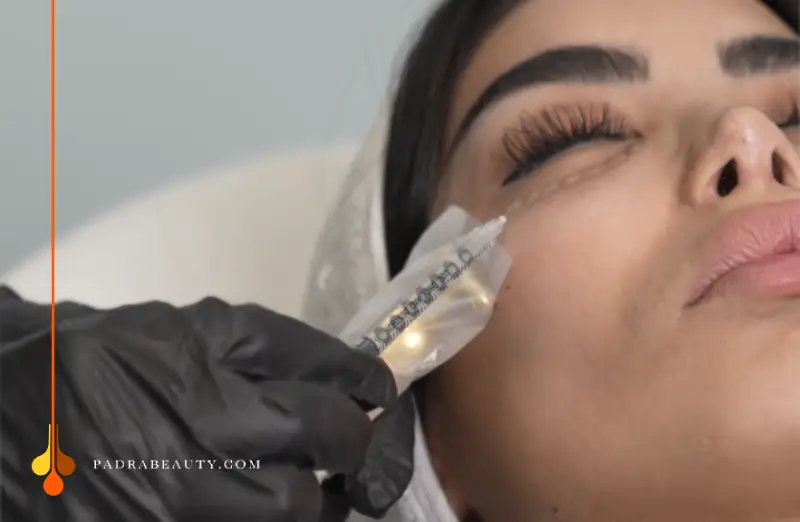
Don’t judge the result immediately after treatment. The initial appearance includes the effects of both the filler and your body’s response to the injections.
Under Eye Filler Aftercare: The First 24-48 Hours
The first two days are a good time to be especially gentle with the under-eye area. You can usually continue light daily activities, but it’s best to avoid unnecessary pressure and anything that makes swelling or bruising more noticeable.
Keep the injection sites clean, avoid repeatedly touching your lower eyelids, and follow the instructions provided by your practitioner.
How to Reduce Swelling and Bruising
Mild swelling is part of the normal healing response. It may become more noticeable during the first 24-72 hours before gradually improving.
A few simple measures can help make recovery more comfortable:
- Use a cool compress if recommended. Wrap it in a clean, soft cloth and apply it gently for short periods. Avoid direct ice contact and pressure on the eyeball.
- Keep your head slightly elevated. This may help reduce puffiness, especially overnight.
- Avoid rubbing the area. The skin around the eyes is delicate and can become irritated easily.
- Take a break from intense activity. Strenuous exercise and excessive heat may make swelling or bruising worse.
- Follow medication advice. Ask your practitioner which pain relief options are suitable if needed.
Some medications and supplements can increase bruising. However, never stop prescribed medication, including blood thinners, without advice from the clinician responsible for your care.
There is no special diet required for everyone after under-eye filler. Staying hydrated is sensible, while unusually salty meals may make temporary puffiness more noticeable in some people.
How Should You Sleep After Under Eye Filler?
For the first night or two, sleeping on your back with your head slightly elevated may be the most comfortable option.
An extra pillow can help reduce direct pressure on the treated area and may lessen morning puffiness.
Try to avoid sleeping face-down with your under-eyes pressed into the pillow. If you usually sleep on your side, you can use pillows for support while the area feels tender.
Accidentally sleeping on your side does not automatically mean your filler has moved. There is no universal sleeping restriction that applies to every patient, so follow any specific advice from your injector.
As swelling and tenderness improve, you can usually return to your preferred sleeping position unless your practitioner recommends otherwise.
What to Avoid After Under Eye Filler?
Most aftercare restrictions are temporary. The aim is to allow the injection sites to heal without unnecessary irritation, pressure, or activities that increase swelling.
Exercise, Alcohol, Heat, and Sun Exposure
Light walking and ordinary daily activities are generally fine after treatment.
However, practitioners commonly recommend avoiding intense workouts for 24-48 hours. Running, heavy weightlifting, and high-intensity exercise may increase blood flow and make swelling or bruising more noticeable.
Alcohol is also best avoided for at least the first 24 hours, or longer if your practitioner advises, because it may contribute to bruising and puffiness.
During early recovery, try to avoid:
- Saunas, steam rooms, hot yoga, and very hot baths.
- Prolonged exposure to excessive heat or strong sunlight.
- Activities that leave your face overheated or noticeably increase swelling.
When going outdoors, protect your skin from the sun without rubbing the injection sites.
These precautions are intended to make recovery more comfortable. They do not mean that brief sunlight exposure or an ordinary daily activity will automatically damage the filler.
Touching, Massage, Skincare, and Makeup
Avoid pressing, rubbing, or massaging your under-eye area unless your practitioner specifically instructs you to do so.
Trying to smooth a small lump or move the filler yourself may irritate the tissues and can make an underlying problem harder to assess.
For skincare and makeup:
- Clean your face gently without scrubbing the injection sites.
- Avoid applying cosmetics over puncture points that have not closed.
- Use clean makeup brushes or applicators when you resume your routine.
- Keep strong exfoliating acids, retinoids, and irritating products away from sensitive injection sites until the skin has recovered.
- Postpone facial massage and treatments that place firm pressure around the eyes.
When can you wear makeup? Some practitioners permit it once the injection sites have closed, while others recommend waiting until the following day. Follow the advice given for your treatment rather than assuming one rule applies to everyone.
There is also no need to massage under-eye filler as part of routine aftercare. Any recommended massage should come directly from the treating practitioner.
Under Eye Filler Recovery Timeline: Day by Day
The under-eye filler recovery time varies depending on the product, amount injected, individual anatomy, and how your body responds.
Some people return to work the same day or the next day, while visible bruising or swelling may take longer to settle.
Here’s a practical guide to the usual under-eye filler healing stages:
| Recovery Stage | What You May Notice |
|---|---|
| Treatment day | Mild redness, tenderness, puffiness, or small injection marks. Initial changes may be visible, but the area can look uneven. |
| Days 1-3 | Swelling may become more noticeable, sometimes peaking on day two or three. Bruises may appear or darken. |
| Days 4-7 | Puffiness often begins to ease. Bruising may fade or change colour as the skin recovers. |
| Week 2 | Much of the initial swelling has usually improved, making the under-eye contour easier to assess. |
| Weeks 3-4 | Any remaining mild swelling may continue to settle. This can be a more useful time to review the result. |
This is a general timeline, not a guarantee. Some people recover faster, while others experience longer-lasting puffiness or bruising.
How can recovery photos help?
If you want to track under-eye filler recovery day by day, take photographs before treatment, during the first few days, after one week, and around weeks two to four.
Try to use the same lighting, camera angle, facial expression, and time of day. Morning puffiness and different lighting can make the under-eye area look noticeably different, even when healing is progressing normally.
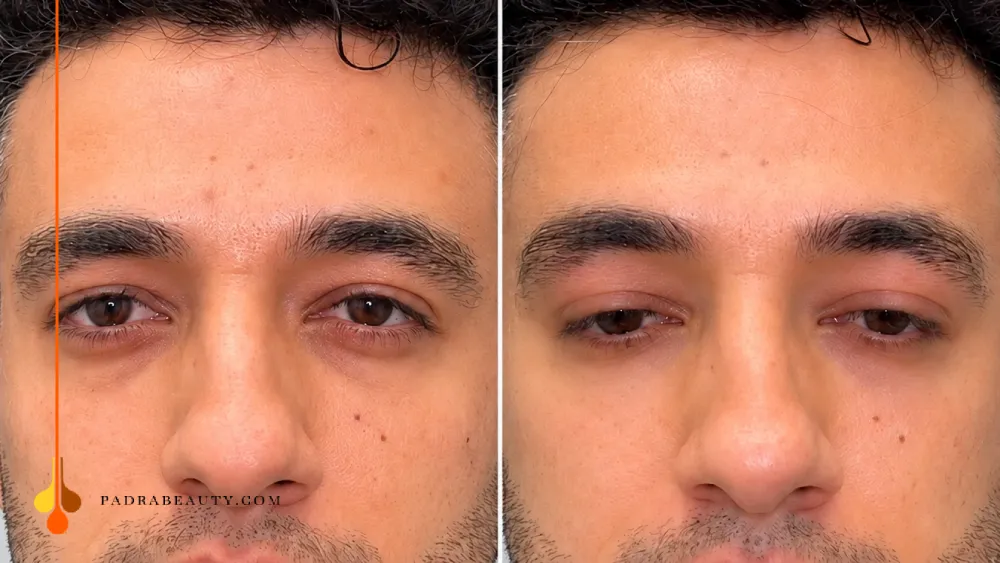
If you are comparing before-and-after photos, make your main assessment after the initial swelling has improved rather than relying on pictures taken immediately after the injections.
When Does Under Eye Filler Settle?
Hyaluronic acid under-eye filler can produce an immediate change in volume, but the appearance may continue to change as swelling and bruising resolve.
For many patients, the area looks more settled after one to two weeks, while a clearer assessment may take approximately two to four weeks.
The exact timing depends on factors such as the filler used, treatment technique, and whether the person is prone to fluid retention.
It’s also important to distinguish between the time needed for swelling to settle and the duration of the filler itself. These are not the same thing.
If the under-eye area still looks unusually puffy after several weeks, don’t assume it simply needs more time. Persistent swelling can sometimes be related to product placement, the amount injected, or fluid retention around the lower eyelid and upper cheek.
A qualified practitioner can assess the area and recommend appropriate next steps.
Not every under-eye concern responds to filler in the same way. Hollowness-related shadows may improve, but pigmentation, prominent eye bags, and loose skin can require different treatments.
Common Side Effects and Complications After Under Eye Filler
Most reactions following under-eye filler are mild and temporary. Swelling, bruising, tenderness, and small changes in skin appearance can occur after any injectable treatment.
However, the under-eye area needs particular care because the skin is thin and the surrounding anatomy is complex.
Lumps, Puffiness, Asymmetry, and Delayed Swelling
A small amount of firmness or unevenness during the first few days may be related to temporary swelling.
But not every visible lump or persistent bulge is part of normal recovery.
Lumps or uneven texture
Small irregularities may soften as the area heals. Persistent lumps can sometimes result from filler placement, excess product, or an inflammatory reaction.
Do not attempt to flatten them with your fingers or facial tools.
Prolonged puffiness
Hyaluronic acid attracts water, and some people are naturally more prone to fluid buildup around the lower eyelids. This can contribute to persistent fullness or swelling near the upper cheeks.
If puffiness is not improving after the expected recovery period, arrange a review.
Temporary asymmetry
One side may swell more than the other during early healing. However, asymmetry that remains after swelling settles should be assessed rather than treated with additional filler automatically.
Bluish or grey discoloration
A persistent blue-grey tint can sometimes be caused by filler placed too close to the skin’s surface. This is known as the Tyndall effect and is different from an ordinary bruise.
It requires a professional assessment. Sudden skin discoloration accompanied by unusual pain, however, may indicate an emergency.
Delayed swelling
Occasionally, swelling or tenderness can appear weeks or months after treatment, even if the initial recovery was straightforward.
The cause may involve inflammation, fluid retention, infection, or a reaction involving the filler. New or recurring swelling should be evaluated by a qualified practitioner.
Some complications involving hyaluronic acid filler may be managed with hyaluronidase, an enzyme used by clinicians to dissolve HA filler when appropriate. This is not a treatment to attempt or arrange without a medical assessment.
Considering Under Eye Filler?
Explore your options at Padra Beauty and learn what to expect from treatment, results, and recovery.
When to Seek Urgent Medical Attention
Although serious complications are uncommon, under-eye filler injections can affect blood vessels connected to the eye and surrounding tissues.
Seek emergency medical care immediately if you experience:
- Sudden blurred vision, double vision, loss of vision, or another unexpected visual disturbance.
- Severe or unusual pain in or around the treated area.
- Skin turning white, grey, blue, or developing a concerning mottled appearance.
- Stroke-like symptoms, including sudden facial drooping, weakness, or difficulty speaking.
- Difficulty breathing or rapidly developing swelling of the tongue or throat.
These symptoms may indicate rare but serious complications, including vascular occlusion, which occurs when blood flow is blocked. It can cause tissue damage or, in severe cases, permanent vision loss.
Do not wait for a routine appointment or try to massage the filler if these symptoms occur. Seek emergency care and inform the treating practitioner immediately.
Contact your practitioner promptly for increasing redness, warmth, fever, discharge, worsening swelling, or a painful lump. These changes may indicate infection or another complication that needs medical evaluation.
If you are unsure whether a symptom is normal, it’s better to ask your practitioner than to attempt to correct it yourself.
Conclusion
Under-eye filler recovery is different for everyone, but most people can return to gentle daily activities soon after treatment. Early puffiness, tenderness, and bruising often improve over the following days, while the final contour may take several weeks to assess.
The most useful aftercare steps are straightforward: treat the area gently, avoid unnecessary pressure, follow your practitioner’s instructions, and pay attention to symptoms that are worsening rather than improving.
Because the under-eye area is delicate, unusual pain, skin discoloration, and vision changes must never be ignored.
